
The digital era has brought about significant opportunities and challenges for businesses, particularly in the retail and hospitality sectors. Websites and mobile apps have become essential tools for attracting customers and employees alike. However, it is crucial to ensure that these platforms are accessible to all users, regardless of their abilities.
Customers’ Interaction with Your Digital Presence
According to the World Health Organization (WHO), about 15% of the world’s population has some sort of disability. However, many websites are not designed to be accessible to those with disabilities. AbilityNet reports that a staggering 90% of websites are not accessible to people with disabilities who rely on assistive technology.
In the U.S., more than half of the population with disabilities has internet access, and those who don’t go online cite the lack of accessibility as a key reason. Therefore, creating an accessible digital presence can significantly expand your customer base and drive more sales. Here’s why:
Increase Revenue and Market Share
Retailers and food service companies are among the most cited in digital accessibility lawsuits. In contrast, companies with accessible websites can gain a competitive advantage by tapping into the half-trillion dollars spent annually by people with disabilities. According to Click-Away Pound, 73% of people in the U.K. with disabilities are unable to complete transactions on more than a quarter of the websites they visit.
Enhance Customer Experience
Accessible websites improve the user experience for all visitors, not just those with disabilities. For example, offering text alternatives for images benefits people with visual impairments, while also enhancing SEO and helping search engines index the content.
Avoid Legal Risks
Digital accessibility lawsuits have been on the rise, with many retailers and hospitality businesses facing legal claims for failing to provide accessible websites and apps. By making your digital presence accessible, you can reduce the risk of litigation and the associated costs.
Potential Candidates and Employees’ Interaction with Your Digital Presence
In addition to customers, businesses need to consider the accessibility of their careers websites for potential candidates and employees with disabilities. As mentioned in the SHRM articles, making your careers website accessible to all is not just a legal requirement but also a smart business strategy.
Attract a Diverse Talent Pool
Having an accessible careers website allows you to attract a broader range of candidates, including those with disabilities. By showcasing your commitment to inclusion, you can enhance your employer brand and appeal to a diverse workforce.
Comply with Legal Requirements
Several laws require businesses to make their digital properties accessible to people with disabilities. In the U.S., these include the Americans with Disabilities Act (ADA) and Section 508 of the Rehabilitation Act. Non-compliance with these regulations can result in legal action and financial penalties.
Provide a Better Candidate Experience
An accessible careers website can improve the candidate experience and help you stand out as an employer of choice. By making the application process smooth and inclusive, you can attract and retain top talent.
The Takeaway
Digital accessibility is more than just a legal requirement; it is a moral and ethical responsibility. By creating an accessible digital presence, retail and hospitality businesses can provide a better experience for all customers and employees, drive more sales, and avoid legal risks.
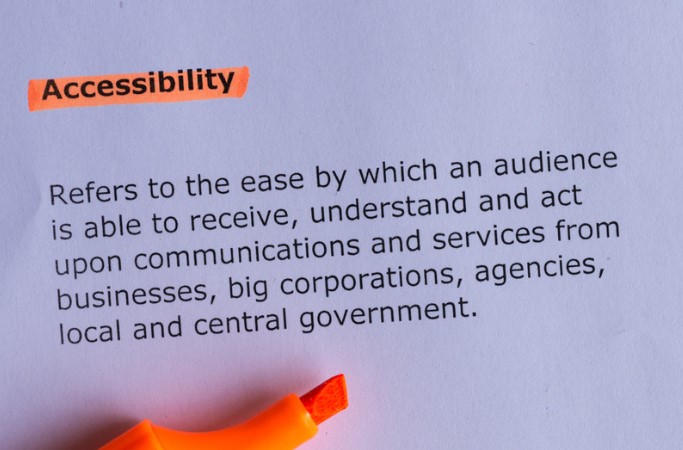
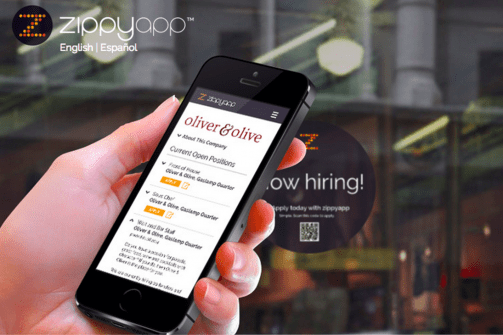
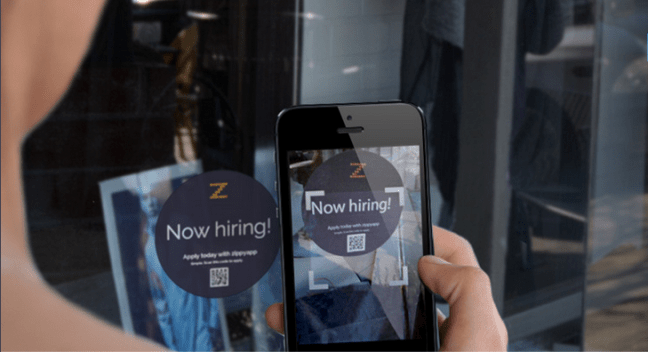
At ZippyApp, we understand the importance of digital accessibility and are committed to helping businesses create an inclusive digital presence. Contact us today to learn more about how we can help you embrace digital inclusion in 2023.
“Alone we can do so little, together we can do so much.”
– Helen Keller














 ZippyApp Blog